
Yoga & Wellness in Sayulita: Studios, Retreats & Temazcal

Sayulita yoga is as much a part of the town as surfing: on any morning of the high season there are classes running in small studios a few blocks from the plaza, on open-air platforms in the hills above the beach and at retreat centres on the edge of town. Add massage, sound sessions and the temazcal, the pre-Hispanic steam bath, and a week here can be built entirely around wellness. This guide explains the formats you will find, how to choose between a drop-in class and a retreat, and what to know before a temazcal.
Sayulita is a small surf town on the Pacific coast of Nayarit, about 40 km north of Puerto Vallarta airport. It is compact enough to walk everywhere in the centre, which is why most visitors can try several teachers and styles in a single stay rather than committing to one place from the start.
What Sayulita yoga looks like
Classes in Sayulita fall into three broad settings. The style taught varies more by teacher than by setting, so read the class description rather than assuming.
Drop-in classes in town
The studios in and around the centre run a weekly timetable, usually with an early-morning class, one mid-morning and one in the late afternoon. You pay per class or buy a pack of several, and you do not need to book far ahead outside the busiest weeks. Expect vinyasa, hatha and yin as the most common styles, with some studios adding restorative classes, meditation or breathwork. Most lend mats, but if you plan to practise daily, bringing your own is more hygienic and saves arriving early to find one.
Open-air shalas in the hills
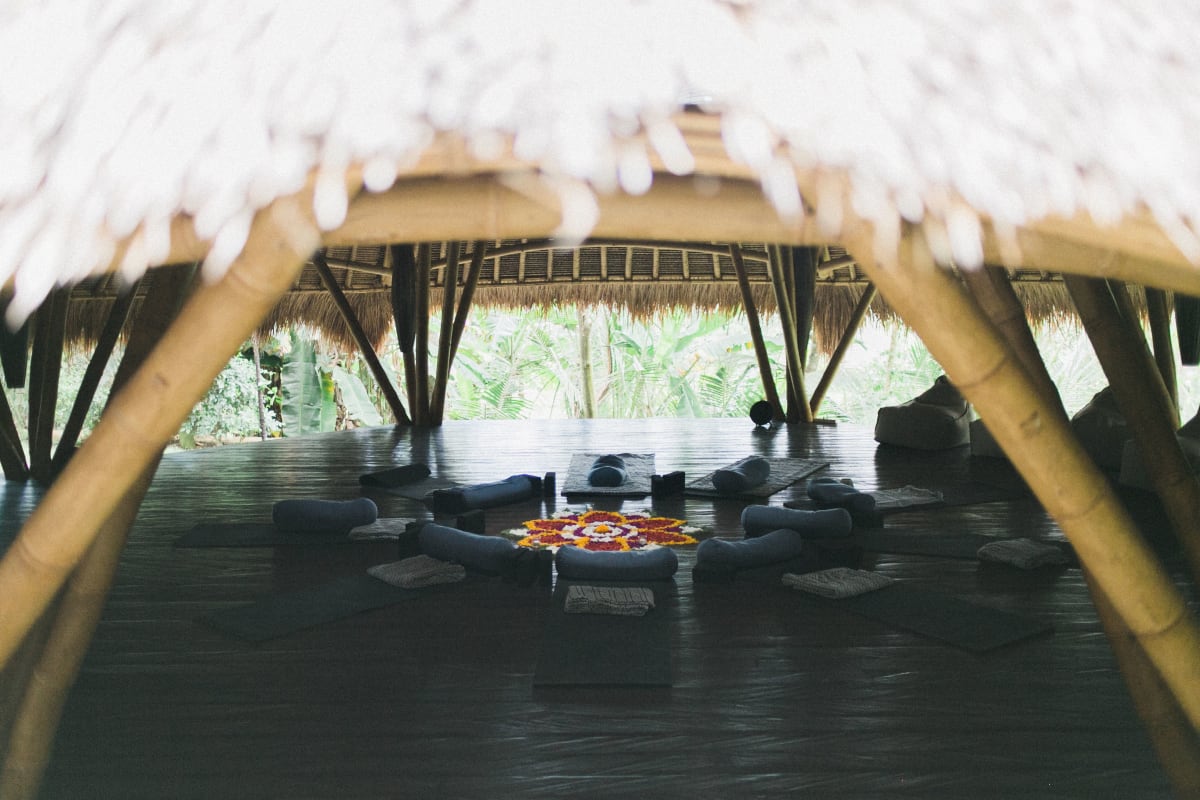
Several retreat centres and guesthouses on the slopes around town have open-sided platforms, often under a palapa roof of palm thatch, with a view of the jungle or the bay. Many of them open their classes to non-guests when they are not hosting a group. The setting is the draw, but it comes with practical trade-offs: a steep walk or taxi to get there, no air conditioning, and mosquitoes at dawn and dusk.
Beach and paddleboard yoga
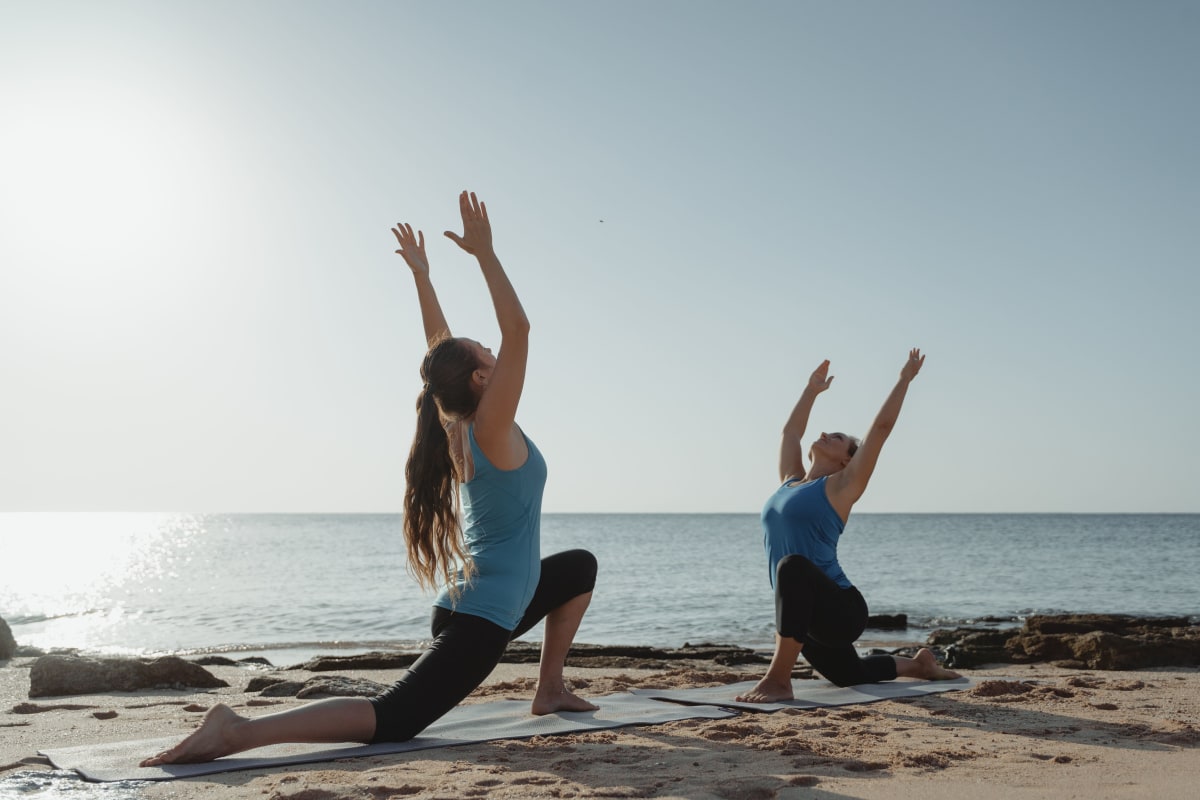
Some instructors teach on the sand at sunrise, and some surf schools offer yoga on a stand-up paddleboard when the water is calm. These are fun extras rather than a place to build a practice: sand shifts under your hands, and the beach in the centre gets busy fast.
Classes, retreats and training: how to choose
The right format depends on how many days you have and how much structure you want.
| Format | What it is like | Commitment | Best for |
|---|---|---|---|
| Drop-in class | One class in a studio or open-air shala | An hour or so | Trying the town’s teachers on a beach holiday |
| Class pack | Several classes at a lower price per class, used over your stay | A week or more | Daily practice alongside surfing |
| Private session | One-to-one class, sometimes at your rental | One booking | Beginners, injuries, couples |
| Retreat | A set programme with daily classes, meals and lodging | Usually several nights, paid in advance | A structured rest with everything organised |
| Teacher training | An intensive multi-week certification course | Weeks, with a deposit | People who want to teach |
What a retreat usually includes
A typical retreat combines one or two yoga sessions a day with shared meals, lodging and a few outings, such as a surf lesson, a boat trip or a temazcal. Some are run by the centre itself; many are organised by visiting teachers who rent a venue and bring their own group. That matters, because the teacher you book with may never have worked at that venue before.
Questions to ask before you pay
- Who teaches, and what training and experience do they have?
- What exactly is included: meals, airport transfer, activities, the temazcal?
- What is the refund policy if you cancel, or if the retreat is cancelled because of a storm?
- How far is the venue from the beach and the centre, and is the walk steep?
- Are rooms air-conditioned or fan-only? It makes a big difference between May and October.
- What level is the programme aimed at, and can classes be adapted?
Health and wellness businesses in town, from studios to massage and therapy practices, are listed in our Sayulita health and wellness directory.
Temazcal in Sayulita
The temazcal is a steam bath used for centuries by the peoples of Mesoamerica. In Sayulita it is offered by some retreat centres and wellness spaces, sometimes as a stand-alone session and often as part of a retreat programme. The word comes from the Nahuatl temazcalli, usually translated as house of steam.
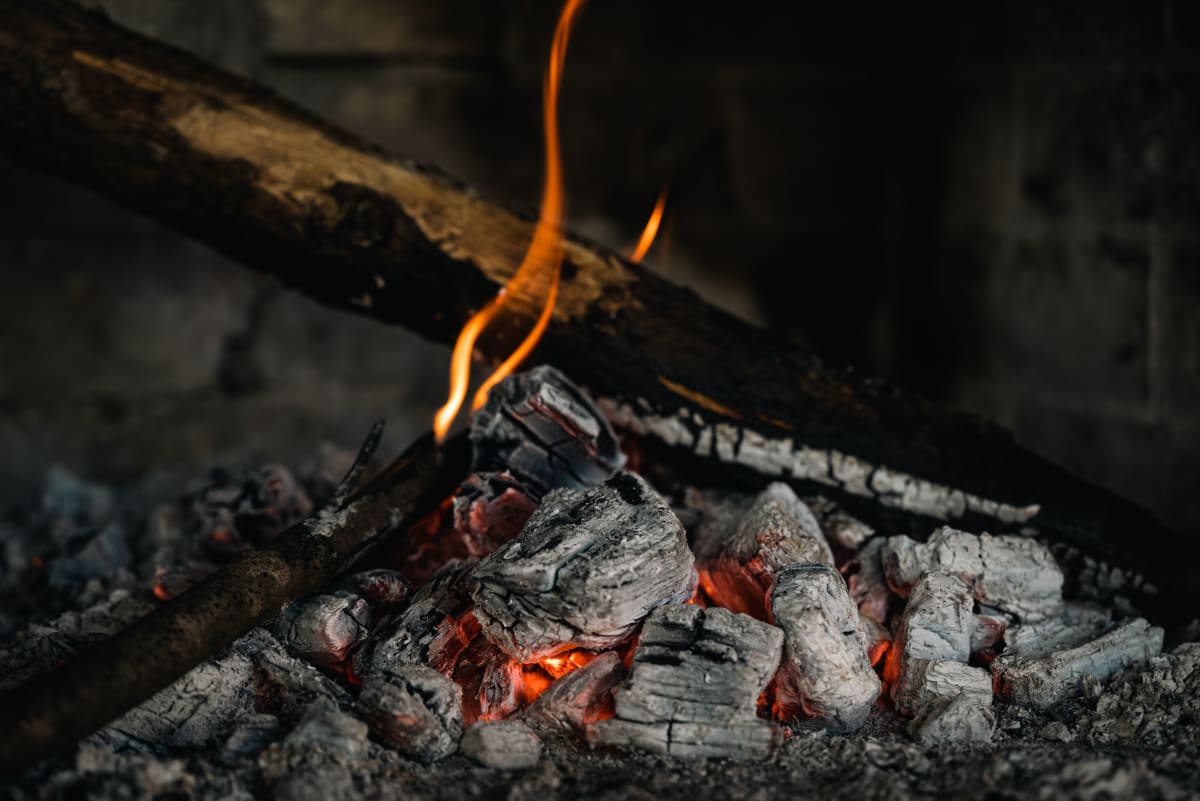
A session takes place in a low dome of stone, adobe or brick, entered on your knees through a single small door. Volcanic stones heated in a fire are carried in and placed in a central pit; a guide pours water or herbal infusion over them and the steam fills the space. Ceremonial sessions often run in several rounds, with copal smoke, songs and a pause between rounds when the door is opened. A whole session usually takes one to two hours including the time outside. Our guide to the temazcal in Tepoztlán describes each step in detail.
Who should check with a doctor first
A temazcal exposes the body to intense, humid heat in a small, enclosed space. This article does not give medical advice and the bath is not a treatment. Ask your doctor before booking if:
- You are pregnant or think you may be.
- You have a heart condition, high or low blood pressure, or have had a stroke.
- You have asthma or another respiratory condition, since smoke and herbs are used.
- You have diabetes, epilepsy, a fever, a recent injury or surgery, or you take medication that affects how your body handles heat.
- You suffer from claustrophobia or panic attacks.
Staying safe inside
Do not drink alcohol before the session, drink water through the day and eat lightly a few hours before. Remove metal jewellery, which heats up. If you feel dizzy, nauseous, a headache or a racing heart, lie down on the floor, where it is coolest, and ask to leave: leaving early is normal, and a guide who insists you stay is a reason to go elsewhere. On the coast there is one more factor: after a morning in the sun and the surf you may already be partly dehydrated, so do not schedule a temazcal straight after a long beach day.
Planning a wellness stay in Sayulita
When to go
The dry season, roughly November to April, is when the most classes, retreats and teacher trainings run and when the mornings are most comfortable for practice. From June to October the heat and humidity build and afternoon storms are common; it is quieter, and some studios and retreats run reduced schedules or close for part of the season. Our guide to the best time to visit Sayulita covers the weather month by month.
Combining yoga and surf
Yoga and surfing fit well together: a stretching or yin class eases the shoulders and back after paddling, and a morning class before a late surf session is a common routine. If you are learning to surf, our guide to surf lessons in Sayulita explains how schools work, and some of them package lessons with yoga.
What to bring
- Your own mat or a travel mat if you plan to practise every day.
- Insect repellent for open-air classes at dawn and dusk.
- A refillable water bottle; the heat is felt even in early classes.
- Cash in pesos: smaller studios and teachers do not always take cards.
- For a temazcal, a swimsuit or light cotton clothes, two towels, sandals and dry clothes.
For background on the steam bath’s history and its place in Mexican tradition, the Wikipedia article on the temazcal is a good starting point.
Frequently Asked Questions
Do I need to book yoga classes in Sayulita in advance?
For drop-in classes, usually not, except during the busiest weeks such as Christmas, New Year and Easter. Retreats and teacher trainings are booked and paid in advance, often months ahead.
Is Sayulita yoga suitable for beginners?
Yes. Most studios run gentle, hatha or beginner-friendly classes alongside faster vinyasa. Tell the teacher it is your first class, or book a private session to learn the basics.
Can I do a temazcal in Sayulita?
Yes, some retreat centres and wellness spaces offer temazcal sessions, often in a group and on set dates. Book ahead, ask who leads it, and check with a doctor first if you are pregnant or have heart, blood-pressure or respiratory problems.
What is the best season for a yoga retreat in Sayulita?
November to April, the dry season, when most retreats are scheduled and mornings are cooler. Summer is hotter, wetter and quieter, with fewer programmes running.
Continue exploring Sayulita
You Might Also Like
 ExploringNov 13, 2026
Sayulita Itinerary: 3 Perfect Days
A three-day Sayulita itinerary: a surf lesson and the plaza on day one, the Marietas Islands or Monkey Mountain on day t
 ExploringOct 28, 2026
Sayulita vs San Pancho: Party Surf Town or Laid-Back Neighbor?
Sayulita has the beginner waves, the restaurants and the nightlife; San Pancho, 6 km north, has quiet evenings, a long o
 AdventuresOct 22, 2026
Scuba Diving & Snorkeling from Sayulita: Marietas and Beyond
Sayulita is a surf town, so its best snorkeling and diving happen a short drive away, at the Marietas Islands off Punta