
Puerto Vallarta vs Los Cabos: Which Pacific Getaway Fits Your Trip?

Puerto Vallarta vs Cabo comes down to this: choose Puerto Vallarta for a walkable Mexican city, green jungle mountains, calm bay water and lower prices, and choose Los Cabos for desert scenery, dry weather, polished resorts, golf and sport fishing, at a higher cost. Both sit on Mexico’s Pacific side and both get humpback whales in winter, but they feel like two different countries.
| Puerto Vallarta | Los Cabos | |
|---|---|---|
| Where | Banderas Bay, Jalisco, on the mainland Pacific coast | Southern tip of the Baja California peninsula, Baja California Sur |
| Landscape | Jungle-covered Sierra Madre dropping into a wide bay | Desert, cactus and granite cliffs, ending at El Arco |
| Towns | One real city with an old town, the Malecón and the Zona Romántica | Two towns, Cabo San Lucas and San José del Cabo, linked by a resort corridor |
| Swimming | Most bay beaches are swimmable on normal days | Many beaches are unsafe for swimming; a few protected bays are calm |
| Weather | Dry November–May; humid, stormy June–October | Dry most of the year; rain mainly in late-summer storms |
| Whales | Humpbacks, roughly December–March | Humpbacks, roughly December–April |
| Cost | Mid-range; good value in town | Generally higher, especially resorts and dining |
| Best for | Walking, food, nightlife in town, boat trips, families, LGBTQ+ travellers | Luxury resorts, golf, fishing, desert scenery, short winter breaks from the US West |
The two are not neighbours. Los Cabos is across the mouth of the Gulf of California from the mainland, there is no road between them, and combining both in one trip means a flight. So most people pick one. Below is how they compare on landscape, beaches, town life, weather, cost and getting there, and a clear verdict on who should choose which.
Landscape: jungle mountains or desert cliffs
This is the most visible difference, and it shapes everything else, from what you photograph to how hot the afternoons feel.
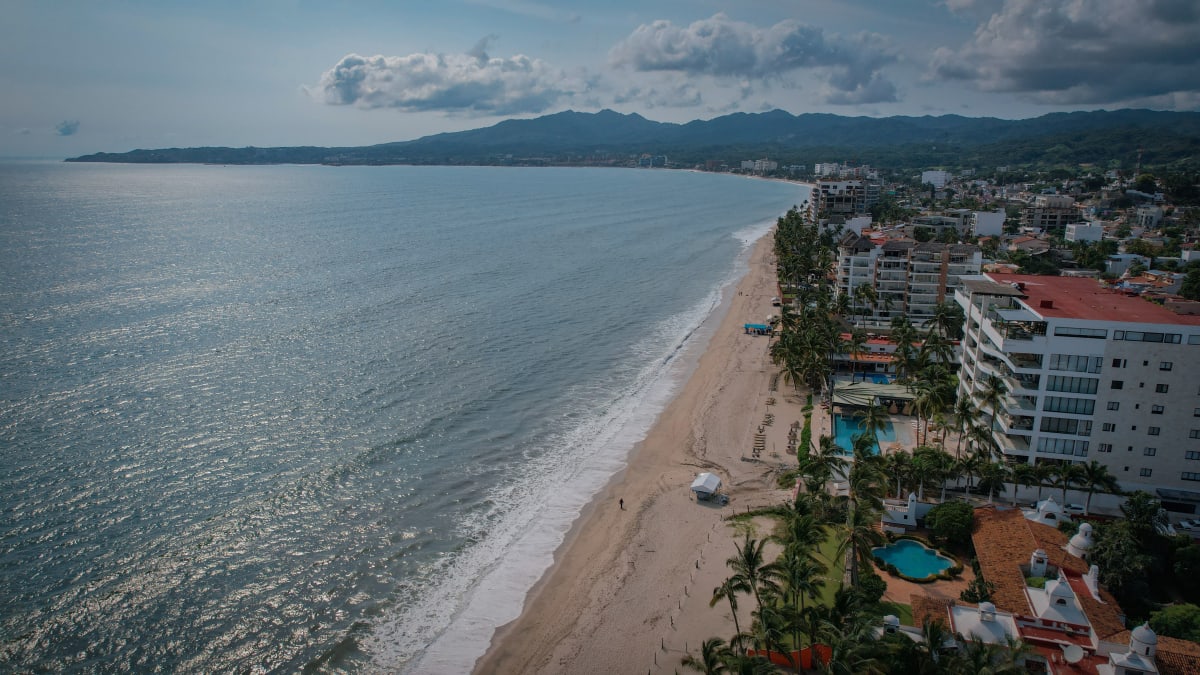
Puerto Vallarta and Banderas Bay
Puerto Vallarta sits at the back of Banderas Bay, one of the largest bays in Mexico, with the Sierra Madre rising straight behind the town. The hills are covered in tropical forest that turns bright green in the rainy season, rivers such as the Río Cuale run through the city, and south of town the coast becomes a line of coves backed by jungle, several of them reached only by boat. The bay is also sheltered, which is why its water is usually gentle.
Los Cabos and Land’s End
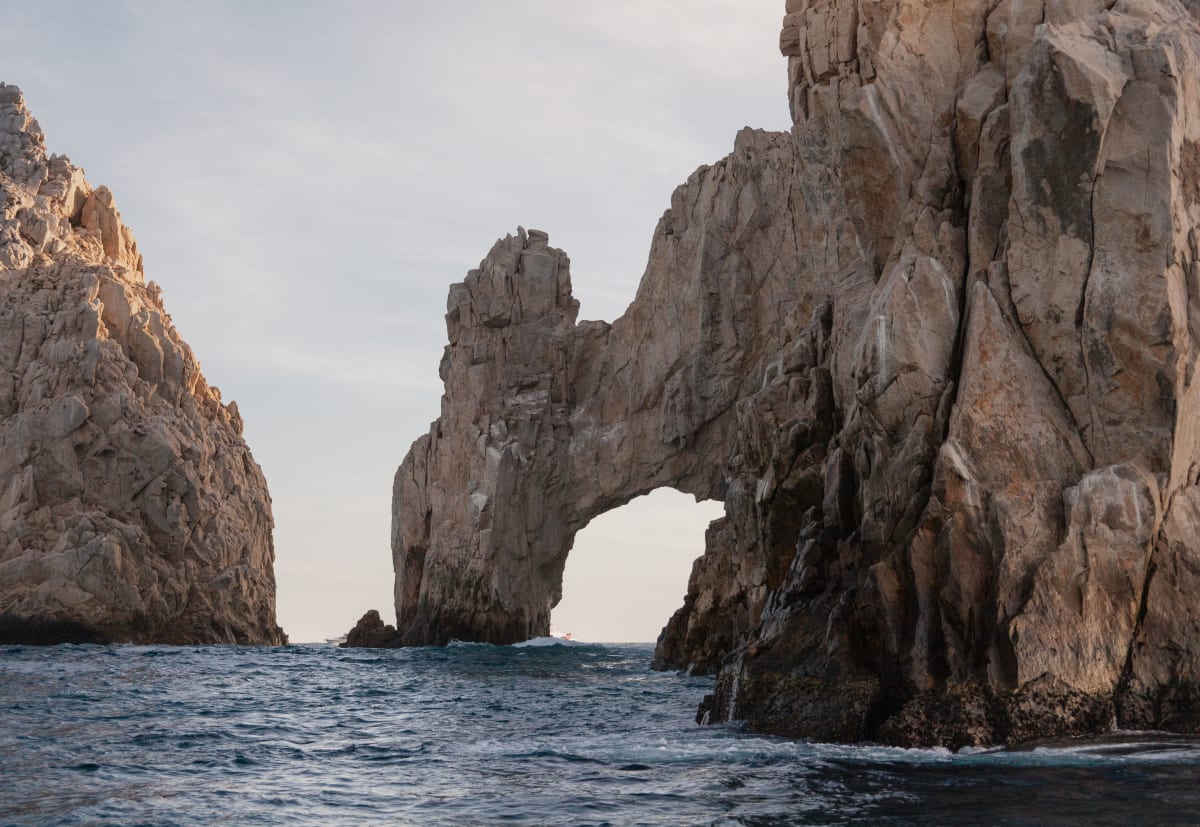
Los Cabos is at the end of a long desert peninsula. The landscape is dry scrub, cardón cactus and bare mountains, and the coast is granite: at Land’s End, just off Cabo San Lucas, the rocks form El Arco, the sea arch that appears on almost every Cabo postcard. Here the Sea of Cortez meets the open Pacific, and the contrast of desert and deep blue water is the main reason people come. It is beautiful in a stark way, with very little green outside the hotel gardens and golf courses.
Beaches and swimming
If your idea of a beach holiday is getting in the water every day, this section decides the trip.
Calm bay water in Puerto Vallarta
Because Banderas Bay is enclosed, most of its beaches are swimmable on a normal day: Playa Los Muertos and Conchas Chinas in town, the coves of the south shore such as Las Ánimas and Yelapa, and the long, flat sand of Nuevo Vallarta and Bucerías on the north side, which suits families best. Conditions still change with the swell, so watch the flags. Our guide to the best beaches in Puerto Vallarta compares them one by one.
Read the signs in Los Cabos
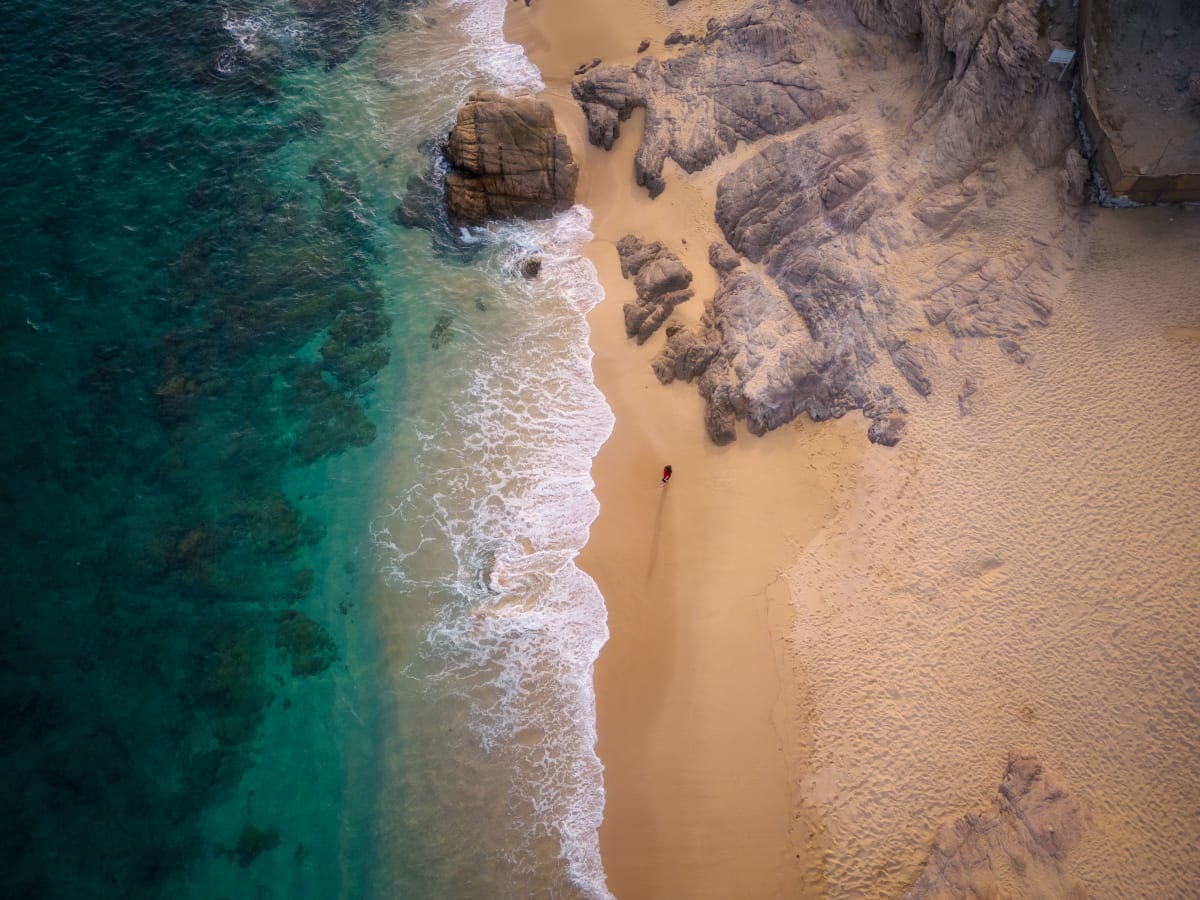
Los Cabos has spectacular beaches, but many of them are not safe for swimming. On the Pacific side especially, strong currents and steep shore breaks are common, and beaches such as Playa del Divorcio, on the ocean side of Land’s End, are for looking at rather than swimming. The calm options are well known: Playa El Médano in Cabo San Lucas, and protected bays in the corridor such as Chileno and Santa María, which are also the usual snorkelling spots. Many resorts face water you should not enter, so if swimming in the sea matters, check the beach in front of your hotel before you book, not just the pool.
Town life, food and nightlife
Puerto Vallarta: a city you can walk
Puerto Vallarta is a working Mexican city, not only a resort. The old town has cobbled streets climbing the hill, the crown-topped church of Nuestra Señora de Guadalupe and the Malecón, the seafront promenade with its sculptures and evening crowds. South of the Río Cuale, the Zona Romántica packs taquerías, seafood stalls, bars and galleries into a few walkable blocks, and it is the centre of one of the best-known LGBTQ+ scenes in Latin America. You can spend a week here without a car and eat very well at street-food prices.
Los Cabos: two towns and a resort corridor
Los Cabos is really two places. Cabo San Lucas is built around its marina, with the boats to El Arco, the sport-fishing fleet and a loud, late nightlife scene. San José del Cabo, about 30 km away, is older and quieter, with a small historic centre around its mission church, a gallery district and a weekly evening art walk in season. Between them runs the Tourist Corridor, a stretch of large resorts and golf courses along the coast road. Many visitors stay inside their resort for most of the trip, and a car or taxi is needed to move between the towns.
Weather, seasons and whales
Rain versus dryness
Puerto Vallarta has a clear dry season from November to May, with sunny days around 28–30 °C, and a rainy season from June to October, when it is hot and humid with heavy evening storms. Los Cabos is a desert and stays dry for most of the year; what rain it gets falls mainly in late summer and early autumn, often from tropical storms. Both are exposed to the eastern Pacific hurricane season, with the highest risk around September: Hurricane Odile caused severe damage in Los Cabos in 2014. In winter, Cabo’s nights are cooler and the sea is usually a little colder than in Banderas Bay. For month-by-month detail on the Vallarta side, see our guide to the best time to visit Puerto Vallarta.
Whale season in both
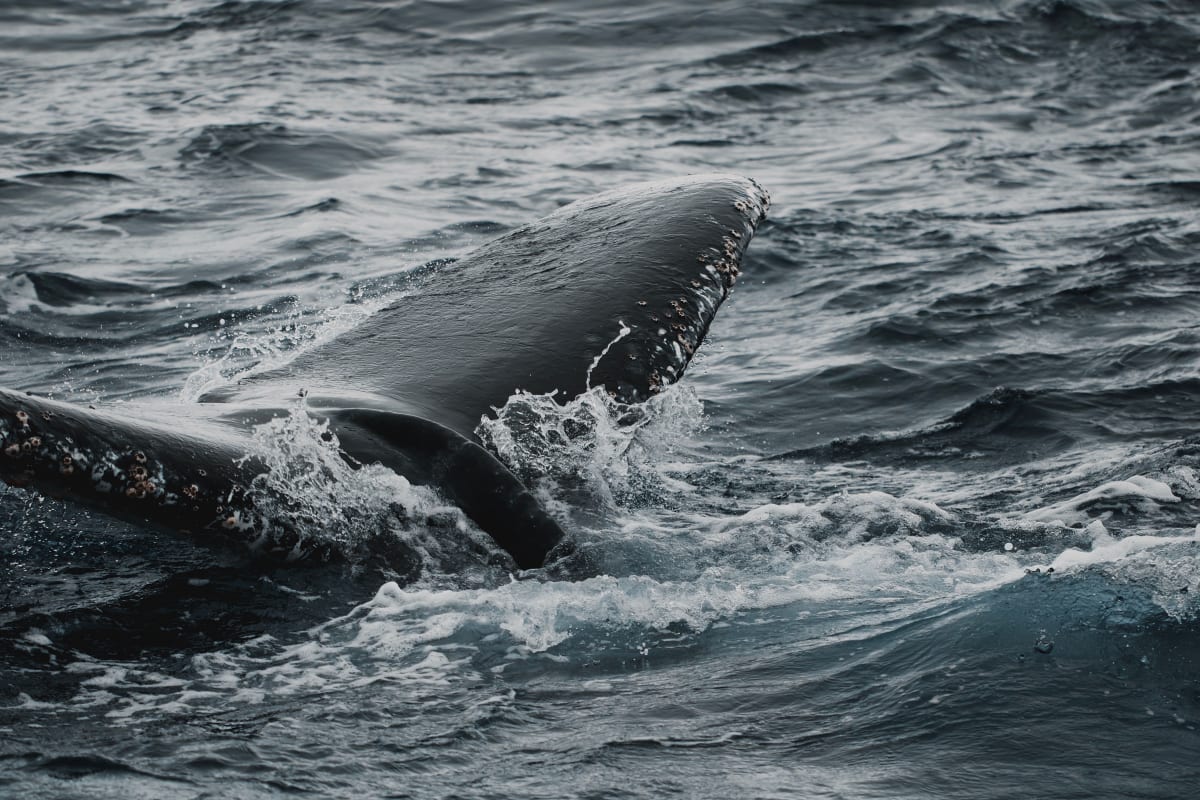
Humpback whales winter in both places. In Banderas Bay they are seen roughly from December to March, and boats leave from the marina and the Los Muertos pier. Off Los Cabos the season runs roughly from December to April, and whales are often spotted from the shore along the corridor. If whales are the reason for the trip, either works; plan for January or February to be safe.
Cost and getting there
Los Cabos is generally the more expensive destination. Its hotel stock leans towards large luxury and all-inclusive resorts, prices are often quoted in US dollars, and restaurants and tours in the corridor are priced for that market. Puerto Vallarta has its share of high-end resorts, especially in the north bay, but it also has small hotels, guesthouses and condos in town, and eating out at local places is far cheaper. If budget matters, Vallarta gives you more for the same money.
Both are easy to reach. Puerto Vallarta’s airport (PVR) is next to Marina Vallarta, a short taxi ride from most hotels. Los Cabos International (SJD) is near San José del Cabo, and Cabo San Lucas is about 45 minutes further by road. Both have direct flights from many US and Canadian cities, especially in winter. Our guide to where to stay in Puerto Vallarta explains which neighbourhood suits which trip.
Puerto Vallarta or Los Cabos: who should choose which
Choose Puerto Vallarta if…
- You want to swim in the sea most days without checking for red flags every time.
- You like walking a real town, eating street tacos and going out without a taxi.
- You prefer green mountains and jungle, waterfalls and boat-only beaches such as Yelapa.
- You are travelling on a mid-range budget, with children, or for the LGBTQ+ scene.
Choose Los Cabos if…
- You want a dry, sunny resort holiday with a pool, a spa and little need to leave.
- You are going for golf, sport fishing or a big night out in Cabo San Lucas.
- You love desert landscapes, granite coast and the view of El Arco.
- You are willing to pay more and want a short flight from the western US.
If you pick Los Cabos but want a taste of old Mexico and quiet beaches, the Pacific town of Todos Santos is about an hour north of Cabo San Lucas; our Todos Santos day trip from Cabo guide shows how to fit it in. If you choose Puerto Vallarta, the boat trips, whale watching and jungle outings are on our Puerto Vallarta tours page. For background on the other side of the comparison, see the Cabo San Lucas entry on Wikipedia.
Frequently Asked Questions
Is Puerto Vallarta or Cabo better for a first trip to Mexico?
Puerto Vallarta, for most people. It is a real Mexican city with an old town, local food and easy walking, so you see more of the country. Los Cabos is better if your priority is a resort stay in dry, sunny weather.
Is Puerto Vallarta cheaper than Cabo?
Generally, yes. Both have expensive resorts, but Puerto Vallarta has far more mid-range hotels, guesthouses and inexpensive local restaurants, and day-to-day costs in town are lower.
Can you swim at the beaches in Cabo?
At some of them. Playa El Médano in Cabo San Lucas and the protected bays of Chileno and Santa María are the usual swimming beaches. Many others, especially on the Pacific side, have dangerous currents and shore breaks; respect the signs and flags.
Can you visit Puerto Vallarta and Cabo on the same trip?
Only by flying. There is no road between them, since Los Cabos is on the Baja California peninsula, so check flight connections before you plan a two-centre trip.
Continue exploring Puerto Vallarta
You Might Also Like
 ExploringOct 28, 2026
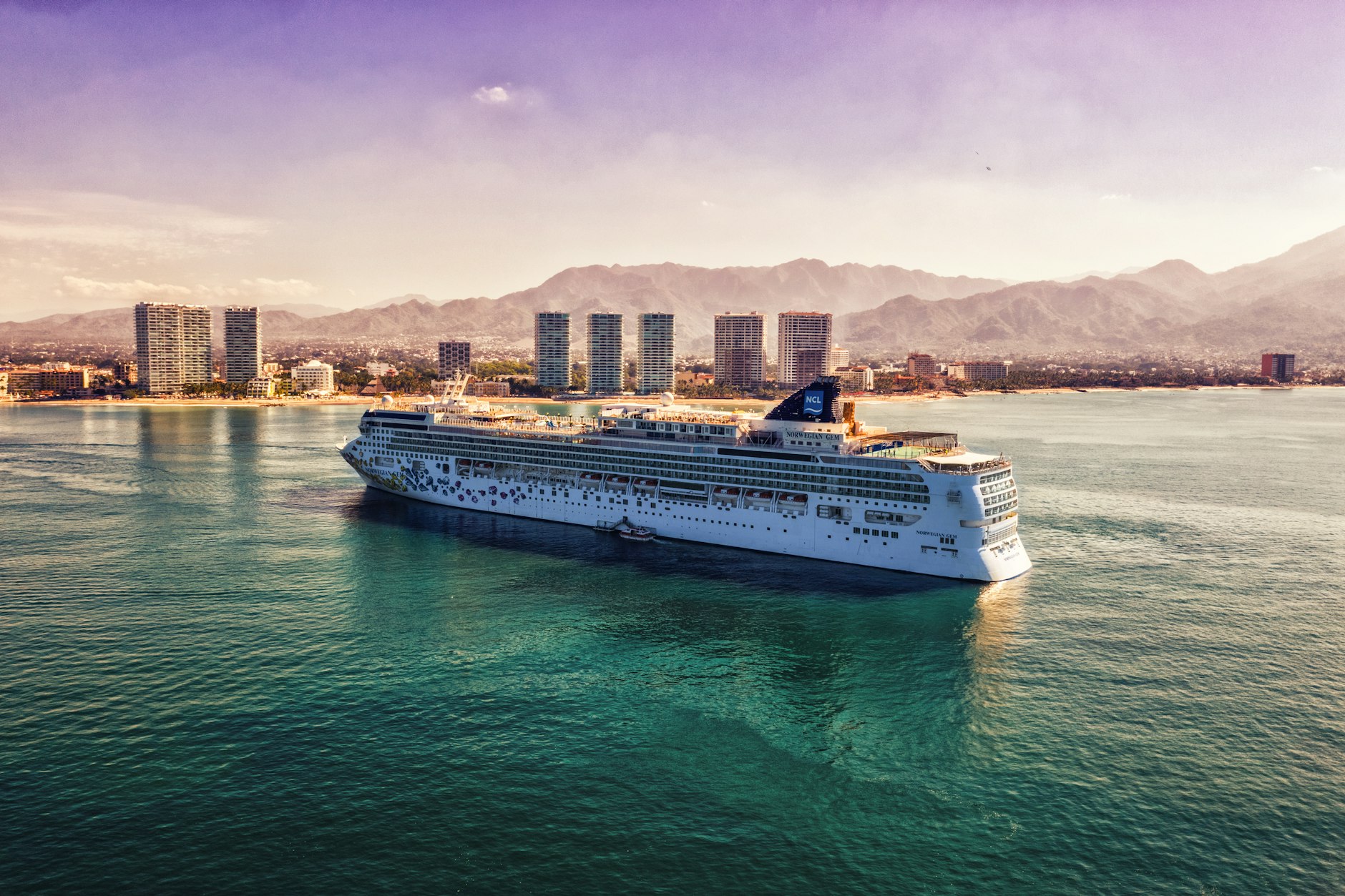
Puerto Vallarta Cruise Port Guide: What to Do in One Day Ashore
A cruise day in Puerto Vallarta is about eight hours. Here is how to get from the terminal to the Malecón, what fits in
 ExploringOct 27, 2026
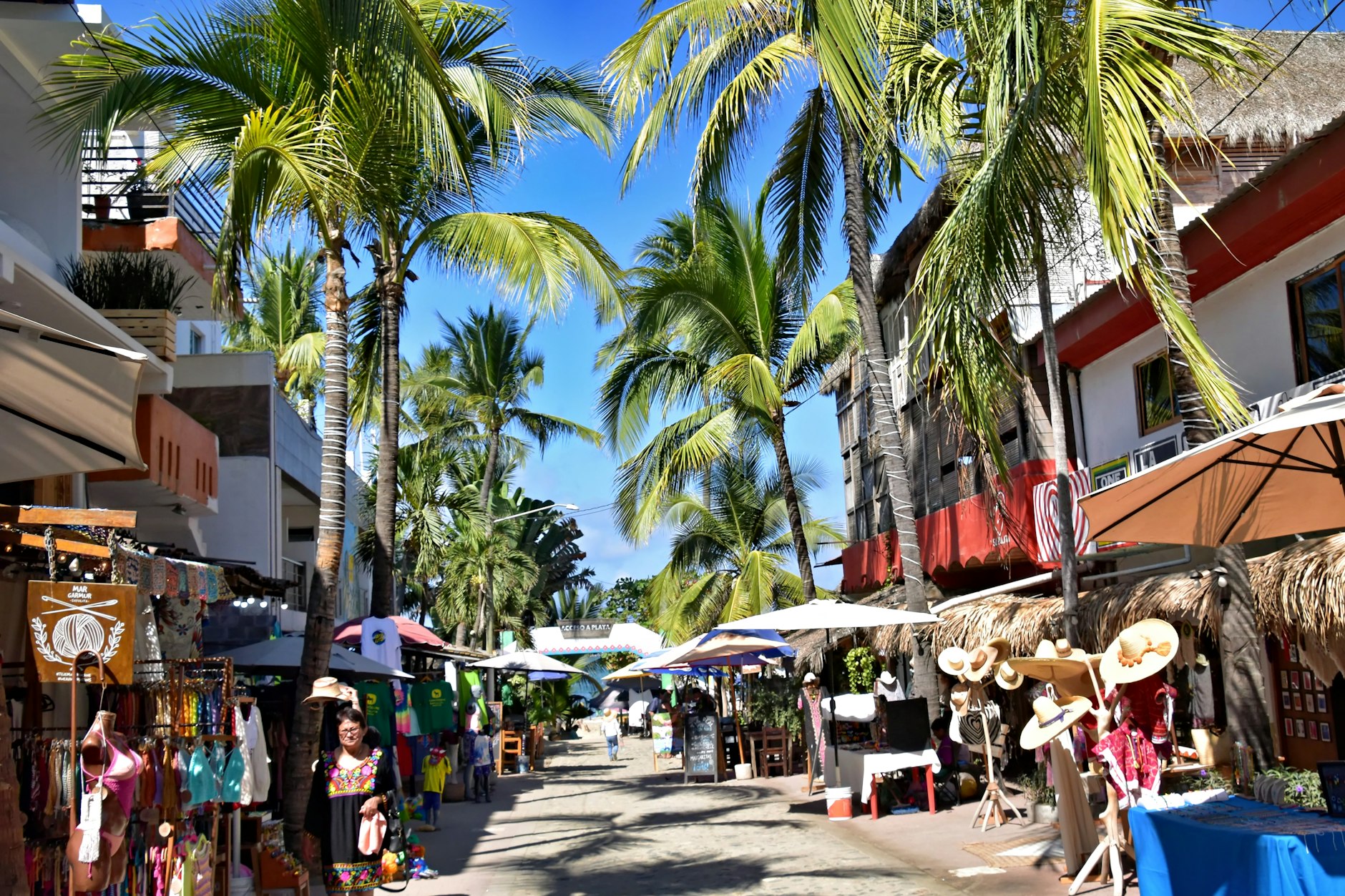
7 Days in Riviera Nayarit: Puerto Vallarta, Sayulita & San Pancho
A one-week Riviera Nayarit itinerary that starts in Puerto Vallarta, moves up the coast road through Bucerías and Punta
 ExploringOct 27, 2026
Riviera Nayarit vs Riviera Maya: Which Mexican Riviera Is Right for You?
The Riviera Nayarit is a Pacific coast of surf towns, jungle and humpback whales next to Puerto Vallarta; the Riviera Ma